
We’ve all come across articles urging us to support ethical and sustainable brands, especially in fashion — an industry responsible for nearly 15% of global environmental impacts. But before we jump into what the future of fashion could look like, it’s worth pausing to reflect on its past, and the consequences it has carried for both people and the planet.
Fashion has always been about reinvention. Trends shift with every season, and so too does the way we consume them. Over the past few decades, giants like H&M, Zara, and Gap have mastered the art of speed — rolling out new collections almost weekly, tempting us with fresh styles displayed on glossy mannequins and eye-catching campaigns.
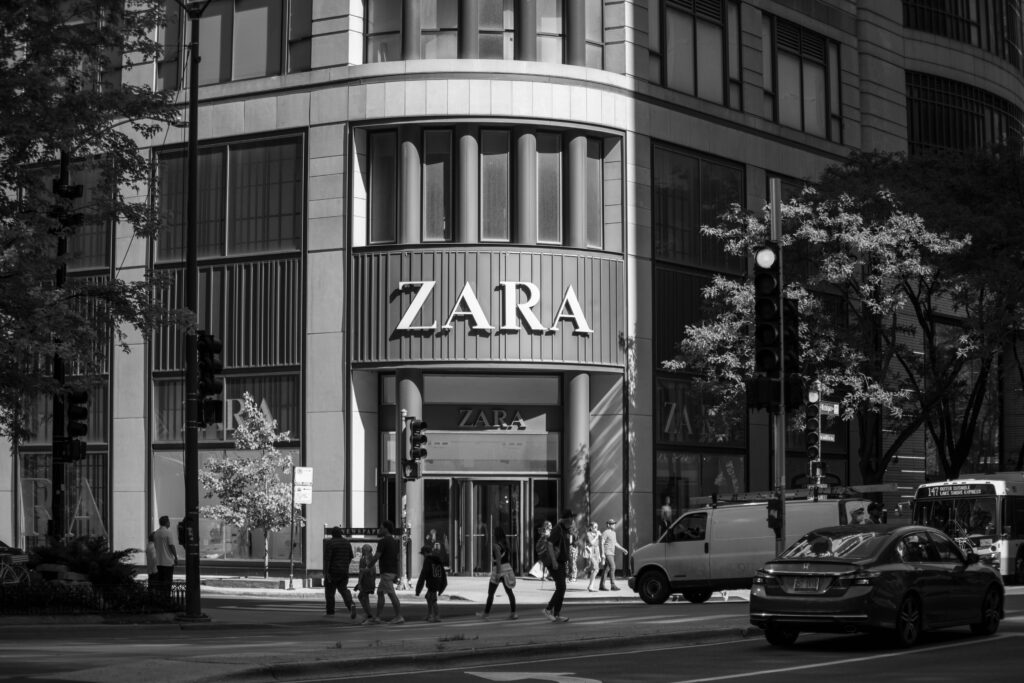
Have you ever found yourself pausing outside a Zara or H&M window, lured by the latest winter collection or a “limited edition” line for International Women’s Day? If so, you’re not alone. Many of us have made that impulsive purchase — a little thrill of fashion at a price that feels like a steal.
But here’s the uncomfortable truth: those low price tags don’t come cheap. They come at an immense cost — one that is paid not at the checkout counter, but in factories, communities, and ecosystems across the globe.
Environmental Toll
Carbon emissions
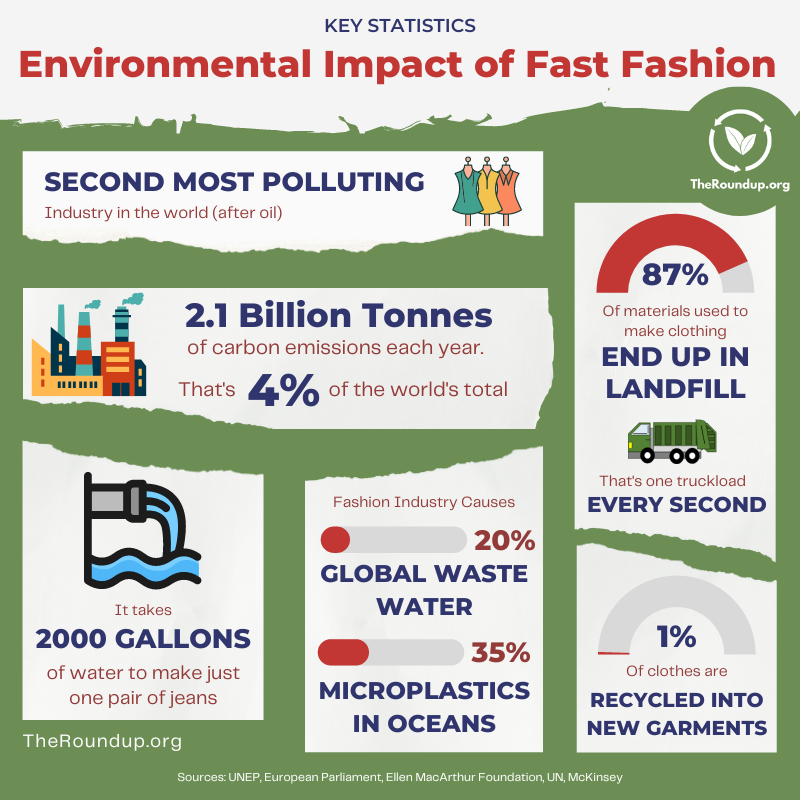
Fashion isn’t just about style—it’s one of the planet’s biggest polluters. In fact, the industry is responsible for up to 10% of global carbon emissions, more than all international flights and shipping combined. Every T-shirt in our wardrobe carries an invisible carbon tag.
Water usage
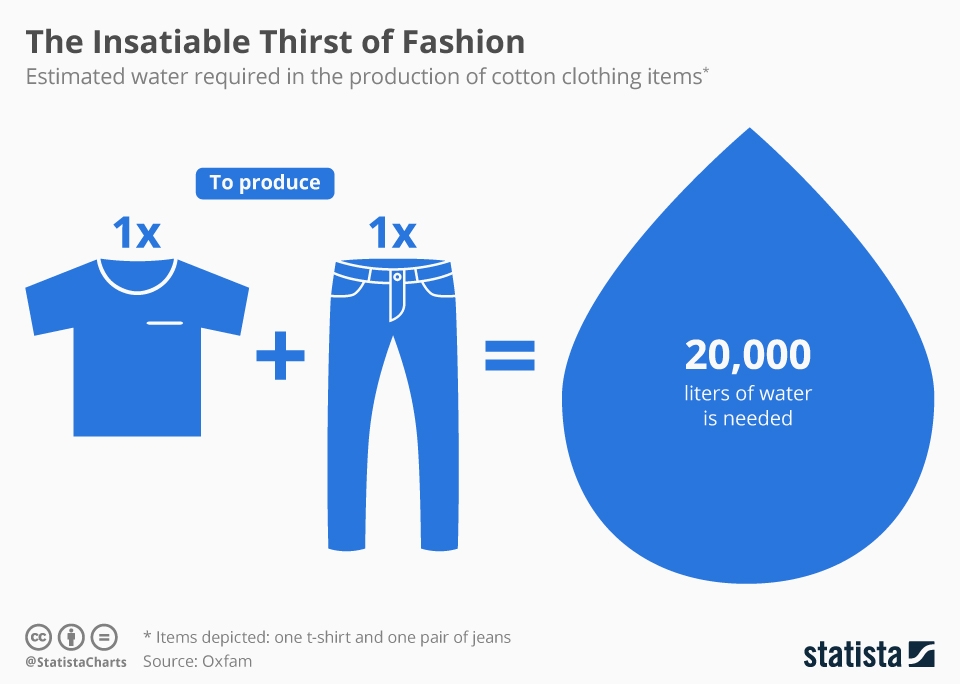
If you thought long showers were bad for the environment, meet your jeans. A single cotton shirt can guzzle around 700 gallons of water, while one pair of jeans drinks up about 2,000 gallons. The fashion industry is the second-largest consumer of water worldwide.
Water pollution
Dyeing and finishing fabrics might make clothes Instagram-ready, but it’s also dirty work. This process contributes to 20% of global wastewater, pouring toxic dyes and chemicals into rivers.
Textile waste
Here’s the kicker—most of those cheap clothes don’t last. In the U.S. alone, only 15% of clothing is recycled or reused. The rest? Straight to landfills or incinerators.
Microplastics
Wash your polyester sweater, and it sheds. Tiny, invisible fibers slip into waterways, making their way into fish, our food, and eventually us. Globally, synthetic clothes release around 500,000 tons of microfibers every year—that’s like dumping 50 billion plastic bottles into the ocean.
Mass Production at Human Expense
How does the fast fashion industry keep shelves stocked with endless new designs? The answer lies in its supply chain.
In the 1960s, the United States produced 95% of its garments domestically. Fast forward to the 21st century, and that number has dropped to just 3%, with 97% of garment production outsourced to low-cost economies. Countries like Bangladesh, Cambodia, India, Nepal, and Indonesia have become production hubs, where economic challenges make cheap labour a commodity.
On paper, this looks like smart business. In reality, it’s a business model that has cost lives.
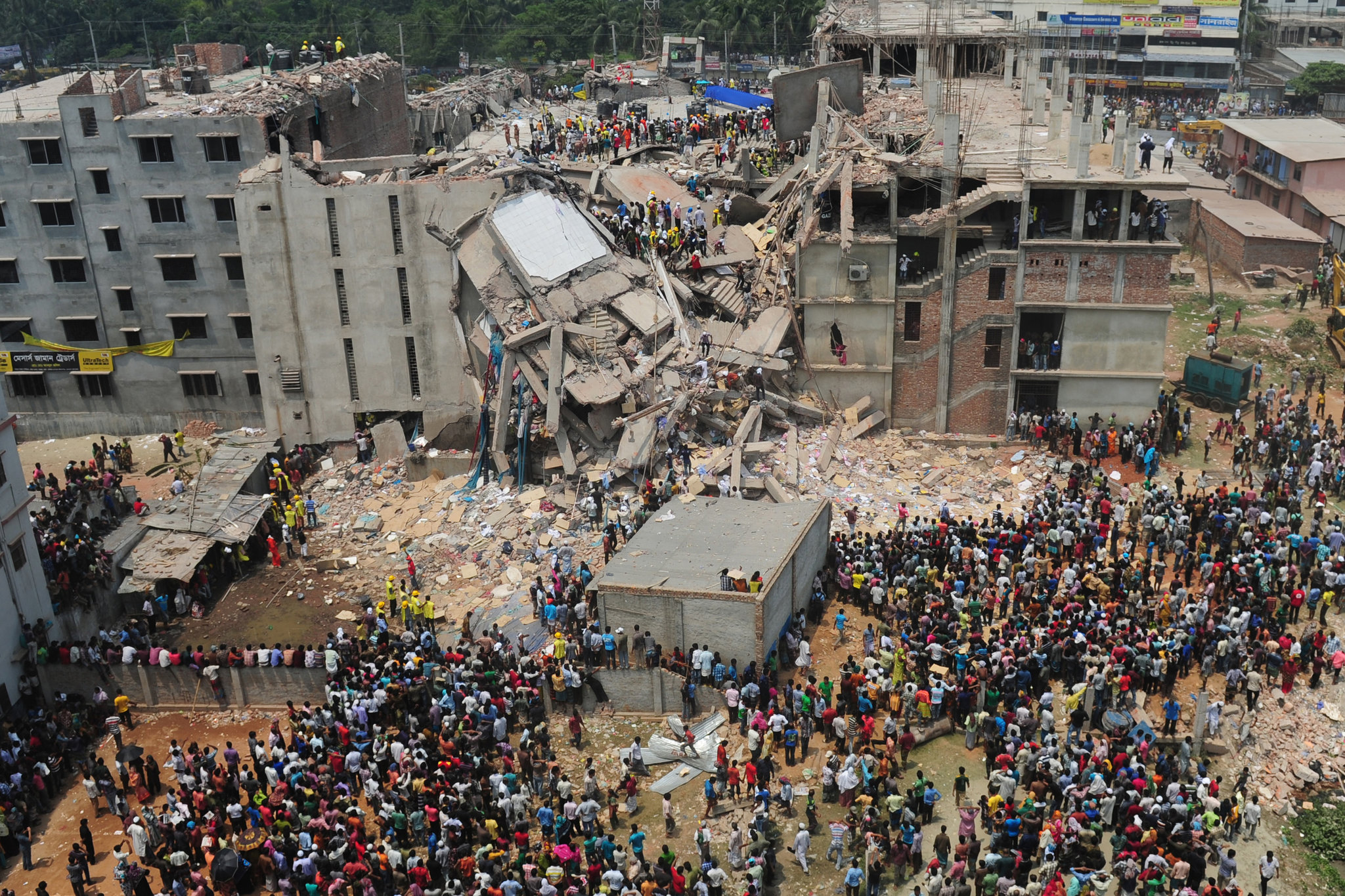
One of the darkest moments in fashion’s history was the Rana Plaza collapse in Dhaka, Bangladesh, in 2013, where 1,132 workers lost their lives after being forced to continue work in an unsafe building despite raising concerns. That tragedy didn’t happen in isolation — it was the direct outcome of relentless pressure from global brands demanding ever-faster, ever-cheaper production.
By Jim Yardley
Many factory workers earn as little as $2 a day, often enduring unsafe conditions and grueling hours to meet the demands of Western fashion cycles. According to the Global Slavery Index, an estimated $127 billion worth of garments sold globally are likely tainted by modern slavery. Behind every “bargain buy” lies a hidden chain of exploitation.
The irony is hard to ignore. While we shop for outfits that make us feel empowered, confident, or celebrated — on occasions like Women’s Day or Mother’s Day, the very workers who stitched those garments often sacrifice their safety, dignity, and basic rights. Because the true cost of fashion isn’t just written on the tag — it’s woven into the lives of workers, communities, and the environment.
The question isn’t just about what we wear anymore. It’s about who pays the true price for our clothes.